
Time is running out. We can see the enemy, but they can see us too. The fuel calculations are wrong and there isn’t enough power to carry out the mission. A decision needs to be made now, or your enemy will make the decision for you. What would you do next?
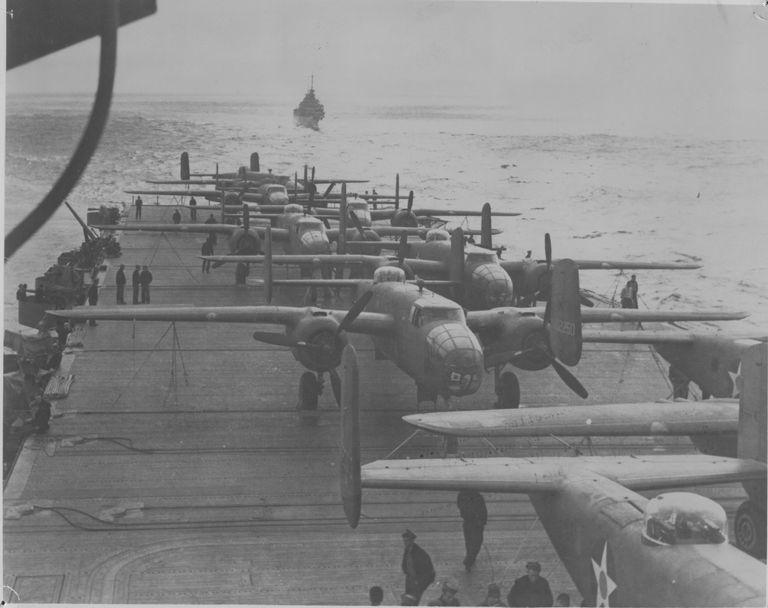
Black and white photograph of Jimmy Doolittle’s B-25 bombers rest on USS HORNET CV8's flight deck on the way to the 18 April 1942 bombing of Tokyo
This was the question on April 18th, 1942, in what would become known as the Doolittle Raid, the first U.S. air strike to hit Japanese mainland during World War II. Four months after the attack on Pearl Harbor, Lt. Colonel James “Jimmy” Doolittle and 79 others, known as the “Doolittle Raiders,” flew several modified land-based B-25 Mitchell Aircraft off USS Hornet (CV-8), bombing military and industrial sites in Tokyo and four other Japanese cities. After being spotted by a Japanese picket boat, USS Hornet was forced to begin the raid early. Due to the early launch, there was not enough fuel for the Raiders to reach their planned landing destination and would have to either crash land or ditch the mission. Many landed or crashed in China, while one bomber chose to land in Russia. When the raiders were able to return home, they were hailed as heroes, and Jimmy Doolittle received the Medal of Honor. The Doolittle Raid prompted the Japanese to change their war strategy to focus more on defense of the home islands and created a new focus on finding a decisive battle to destroy American carriers, resulting in the Battle of Midway.
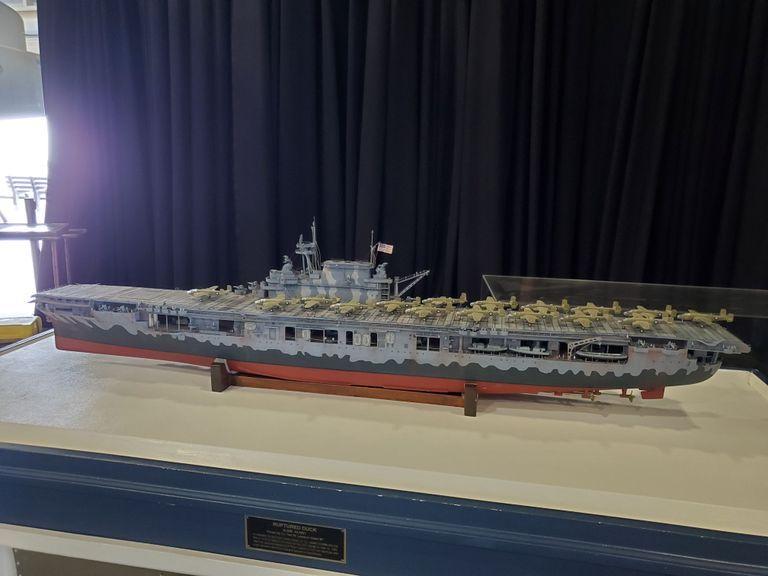
4 foot model (1 /200 scale) of the USS Hornet CV8 preparing for Doolittle Raid at Tokyo. B25 bombers on the flight deck with fighter squadron on the hangar deck.
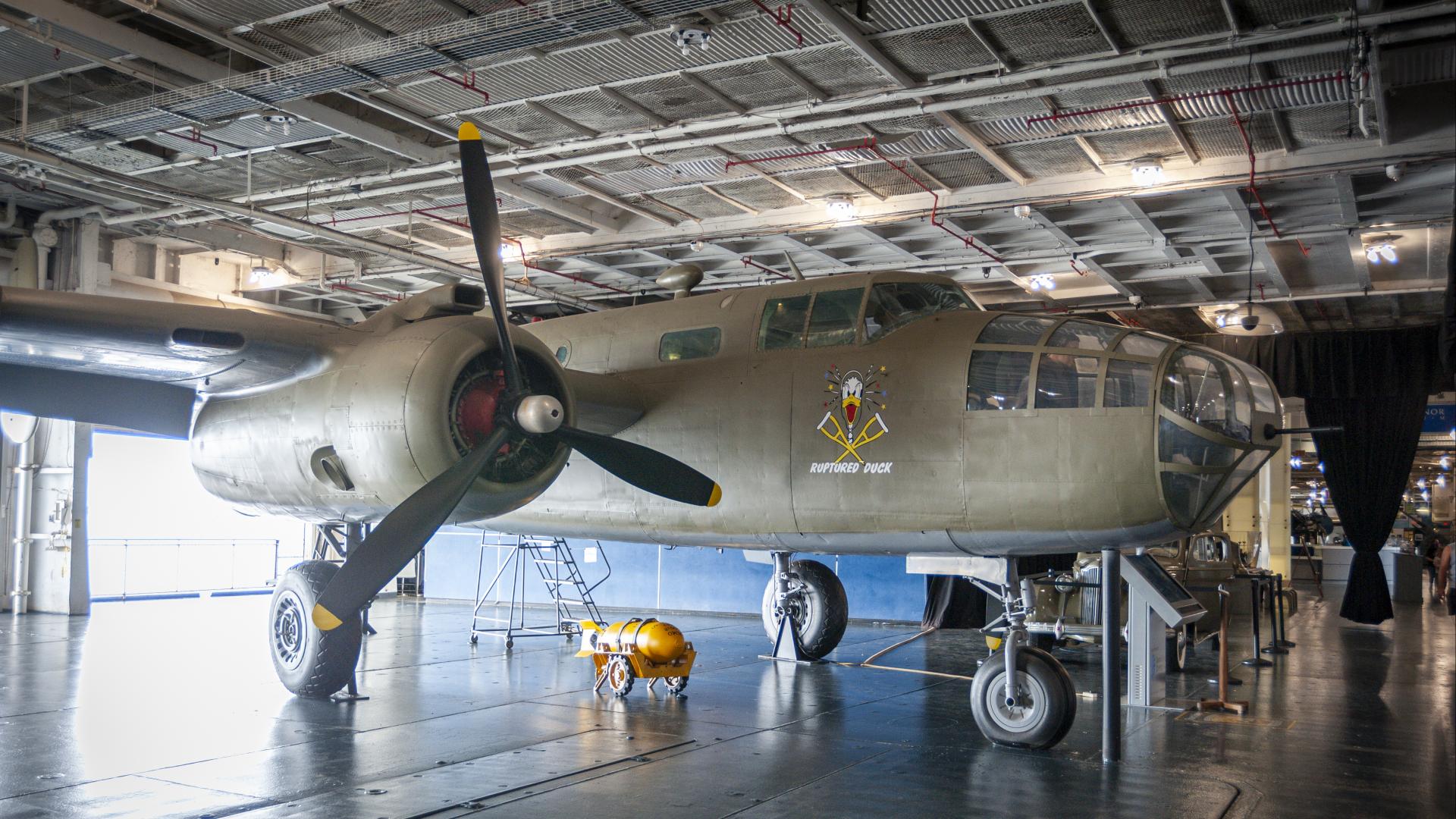
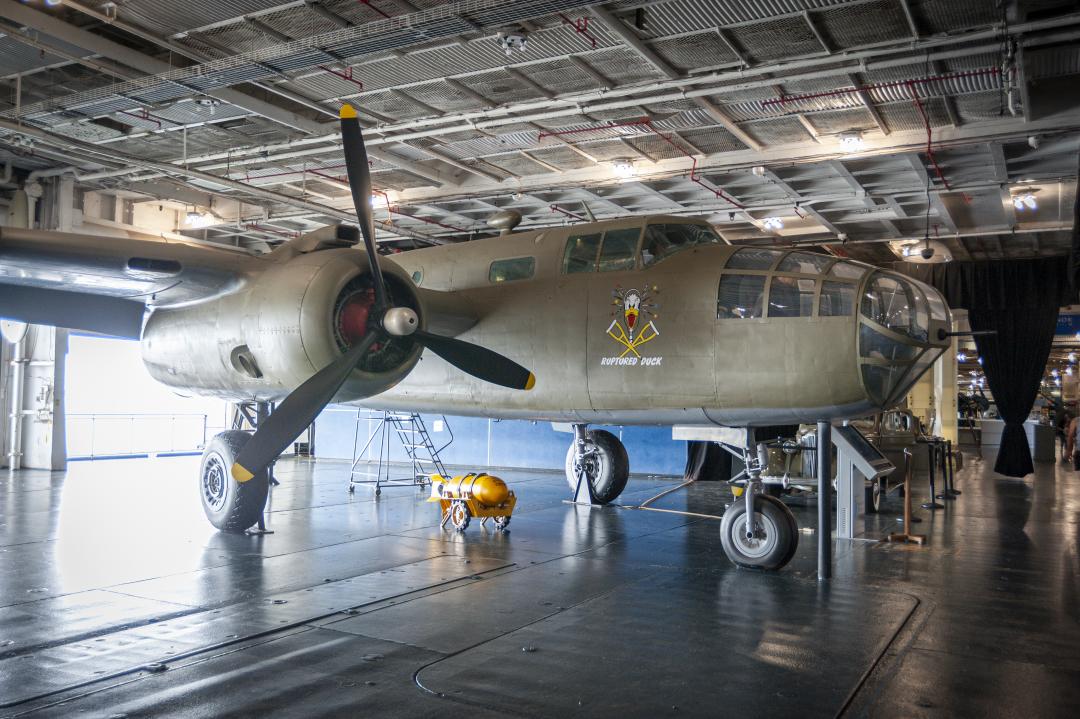
When Patriots Point Naval & Maritime Museum acquired their own B-25 Mitchell aircraft and created an exhibit about the Doolittle Raid, due to USS Yorktown’s connection as an aircraft carrier, the Education Department had an idea. An interactive experience that asks students the same question the Doolittle Raiders faced on that day, incorporating both the history housed in the museum and South Carolina curriculum standards.
This innovative field trip invites students on board USS Yorktown, and the B-25 Mitchell, so they can see the ships and aircraft they have been learning about inside their classroom, and experience what these missions may have been like. Learning about World War II is a major part of the 5th grade curriculum in South Carolina, and thanks to the Education Improvement Act, this experience is part of a field trip available to all South Carolina 5th grade classes.
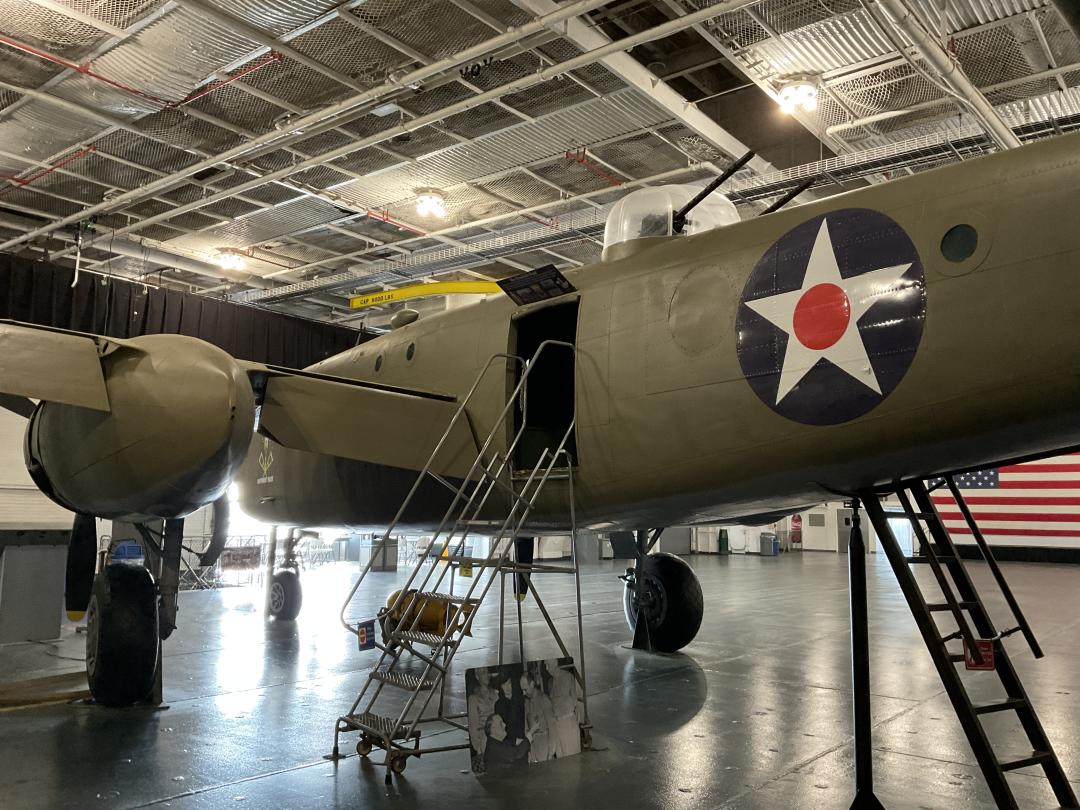
When the time comes to explore the massive B-25 Mitchell looming above them, students hurriedly run up the steps to go inside the aircraft. Most are surprised with how small it really is inside the historic artifact, giving a glimpse into the 16-hour journey taken by the Doolittle Raiders during their mission.
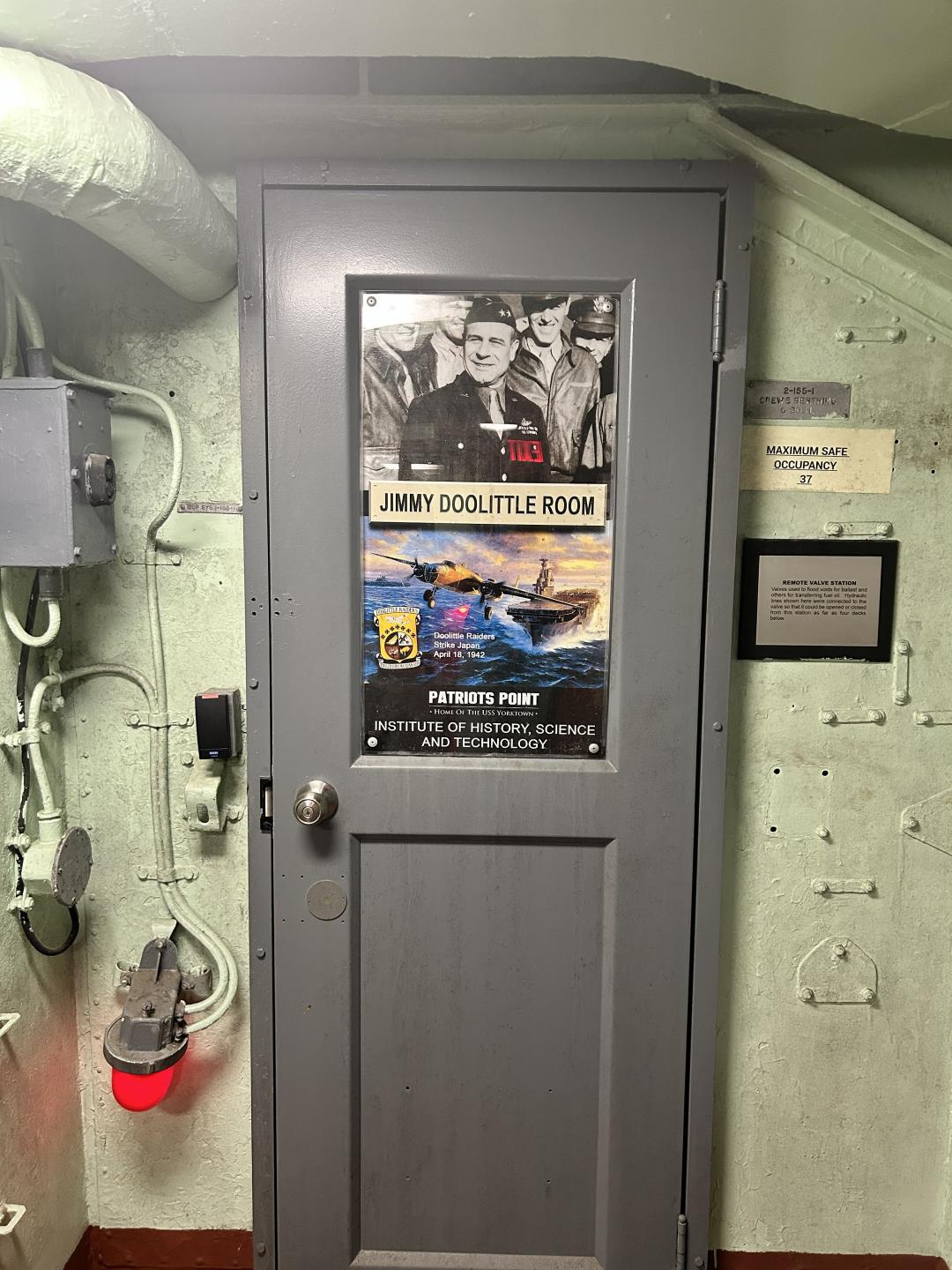
Afterwards, students are taken to what is known as the “Doolittle Room.” This space was specifically designed to immerse students in a simulation depicting what it was like on board USS Hornet the day of the Doolittle Raid. The students are split up into several different stations, each with a different job incorporating geography, math, and other skills from their standard curriculum. The bridge crew uses their graphing skills to trace the ship’s path on a map. The Combat Information Center (CIC) operates the radar, plotting the locations of enemy patrol boats. The communications team works hard to decode messages from friends and foes, and the pilot and aircraft mechanics must calculate the amount of fuel necessary to fly the mission. Students dive head-first into their tasks, warned that time is short and the enemy is coming.
The situation becomes dire. CIC detects enemies within visual range. Communications break an enemy code and learn that the Japanese have already spotted them. The raid operators finish their calculations and learn there isn’t enough fuel to complete the mission. Students are asked the same question the raiders were asked on that day, what would you do next?
Students leave the field trip with a new appreciation for how the skills they learn in school, math, mapping, teamwork, and more, can solve problems in the real world. A new found appreciation for the heroic qualities exemplified by the raiders, Medal of Honor recipients, and those who have served, gives students a better understanding of what this historical event was like for those who experienced it nearly 85 years ago.
It’s one thing to learn about history, it’s another to experience history first-hand, and the Education Department at Patriots Point Naval & Maritime Museum continues to create immersive experiences for students to interact with the history they are being taught, both inside and outside of the classroom.